What Is Autism? And How Does The Devouring Mother Influence It?
What is autism spectrum disorder?
Autism spectrum disorder (ASD) is a developmental disability caused by differences in the brain. It affects how people interact with others, communicate, learn, and behave. Although it can be diagnosed at any age, symptoms generally appear in the first two years of life. It is considered a lifelong condition, but the need for services and supports can vary significantly among individuals with autism.
In 1911, Eugen Bleuler, a Swiss psychiatrist, used the term “autism” to describe a symptom of schizophrenia characterized by social withdrawal.
In 1943, Leo Kanner published a paper describing “early infantile autism” as a distinct condition, separate from schizophrenia.
In 1944, Hans Asperger described a similar condition, which later became known as Asperger Syndrome.
In the 1950s and 60s, the “refrigerator mother” theory, which blamed mothers for their children’s autism due to lack of emotional warmth, was prevalent.
In 1964, Bernard Rimland published a book challenging the “refrigerator mother” theory and suggesting a biological basis for autism.
Evidence against the refrigerator mother theory emerged in the late 1970s, with twin studies suggesting a genetic etiology.
In 1980, the DSM-III included “infantile autism” as a distinct diagnostic category, separating it from childhood schizophrenia.
In the 1980s, researchers shifted their focus towards genetics and brain development in their studies of autism.
The “refrigerator mother” theory was officially debunked in the 1980s.
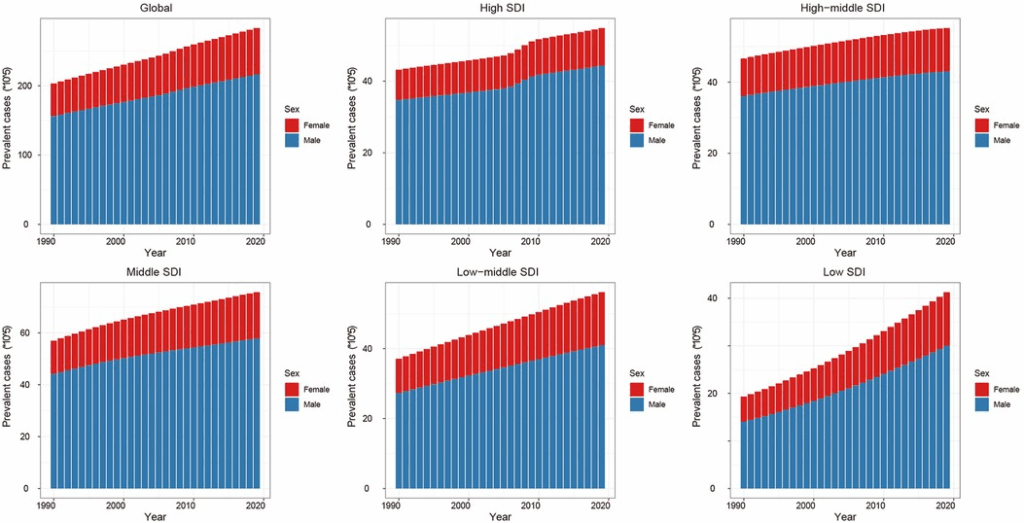
In 2000, the Centers for Disease Control and Prevention (CDC) began tracking the prevalence rates of autism through the Autism and Developmental Disabilities Monitoring Network.
How much money is made in not curing autism
Economic burden associated with autism spectrum disorder (ASD)
Autism Spectrum Disorder (ASD) presents a significant economic burden on individuals, families, and society as a whole. Several studies have attempted to quantify these costs, considering various factors like medical expenses, therapies, education, and lost productivity.
Estimated costs
Lifetime societal cost: Studies estimate the lifetime societal cost associated with autism to be substantial. In the US, the average per capita lifetime societal cost of autism was estimated at $3,566,881 in 2019 dollars.
Impact of intellectual disability: The presence of co-occurring intellectual disability significantly impacts the lifetime cost. Individuals with ASD and intellectual disability have an estimated lifetime cost averaging $2.4 million in 2015, while individuals without intellectual disability have a lower but still substantial lifetime cost averaging $1.4 million in the same year. These figures highlight the economic burden associated with autism spectrum disorder and how intellectual disability can intensify these costs.
National economic burden: A study from 2015 estimated the national economic burden of autism in the US at $268 billion, exceeding the estimated burden of diabetes and ADHD. This study further projects that costs could rise to $461 billion in 2025, potentially reaching $1 trillion by 2025 if prevalence rates continue to rise. This projection highlights the potential long-term financial implications if effective interventions and prevention strategies are not developed and implemented.
Contributing factors
The economic burden of autism is influenced by several factors:
Direct costs: These include medical care, various therapies (like ABA, speech, occupational, and physical), diagnosis, medication, specialized education, and support services. Annual healthcare costs for individuals with autism tend to increase with age. The direct costs of raising a child with ASD can be at least twice those of raising a typically developing child.
Indirect costs: This category includes the burden of informal care and lost parental productivity. Parents may reduce work hours to care for their child, leading to lost income.
Associated comorbidities: Conditions like intellectual disability, ADHD, and seizure disorders can significantly increase healthcare costs for children with ASD.
Impact on families
Families face significant financial challenges due to out-of-pocket expenses for various services. Managing their child’s care can lead to reduced work hours and lost productivity for parents or guardians.
Addressing the burden
Understanding the economic burden is essential for families, healthcare providers, and policymakers. Early diagnosis and intervention may improve outcomes and potentially lower long-term costs. Policy efforts should focus on strengthening adult services and supports, and improving coordination across sectors.
Autism Tracking Start
The tracking of autism as a distinct condition began in 1943 when child psychiatrist Leo Kanner in the US provided the first account of Early Infantile Autism. Kanner’s work led to the identification of autistic children as reared in emotional refrigerators, contributing to the development of the refrigerator mother theory.
The refrigerator mother theory, which blamed emotionally
cold mothers for causing autism, was widely accepted until the 1960s. However, as research progressed and parent-researchers like Lorna Wing contributed to better understanding, the theory was gradually discredited. By the 1970s, the focus shifted towards more scientific and neurological explanations for autism, and the theory of the devouring mother, which is a different concept related to psychoanalysis, began to be questioned as well. The exact date when the devouring mother theory was stopped is not explicitly mentioned, but it is clear that the discourse around autism and mother blaming has evolved significantly over time.

People with ASD may experience challenges with:
- Social communication and interaction: Difficulty with eye contact, responding to their name, expressing emotions, starting and maintaining conversations, understanding social cues, and developing friendships.
- Restricted or repetitive behaviors or interests: Lining up toys, repeating words or phrases (echolalia), following strict routines, having highly focused interests, and unusual reactions to sensory input.
It’s important to note that the spectrum is broad, and each person with ASD will have a unique set of strengths and challenges.
The “devouring mother” and autism
The idea of the “devouring mother” or “refrigerator mother” as a cause for autism is a discredited theory from the mid-20th century. This theory suggested that a lack of maternal warmth and bonding led to autism.

This theory has been scientifically disproven. Current research indicates that autism is a neurobiological disorder influenced by a combination of genetic and environmental factors affecting the developing brain.
The impact of the discredited theory
Despite being debunked, the “refrigerator mother” theory caused significant harm by placing blame and guilt on mothers for their children’s condition. This focus on maternal blame hindered scientific understanding and research into the true causes and effective treatments for autism.

Moving forward
It is crucial to rely on evidence-based information and treatments for autism. Early intervention, based on a comprehensive evaluation and tailored to the individual’s needs, can lead to positive outcomes. This includes therapies like Applied Behavior Analysis (ABA), speech-language therapy, occupational therapy, and social skills training. Supporting individuals with autism and their families requires understanding, acceptance, and access to appropriate resources and interventions.
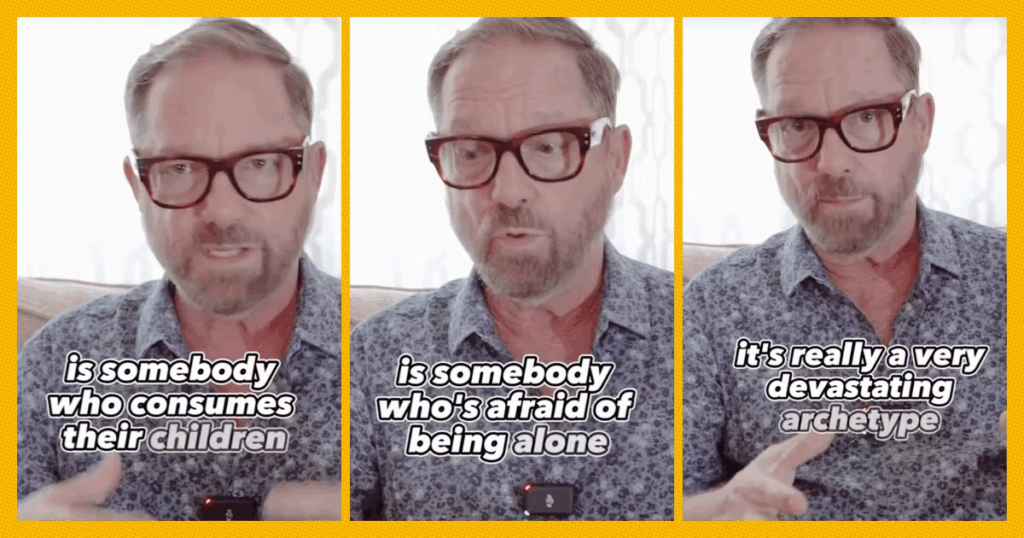
Is Autism a result of the devouring mother, where she creates anger, hatred, resentment in the child from a young age where the child has almost like a behavior to a disorder we call autism
Scientific evidence does not support the idea that autism is a result of a “devouring mother” or that it is caused by parenting styles that create anger, hatred, or resentment in a child. In the mid-20th century, a now discredited theory known as the “refrigerator mother” theory, suggested that a lack of maternal warmth led to autism. This theory caused significant harm to families, particularly mothers, by placing unfair blame on them.

Current scientific understanding emphasizes that autism spectrum disorder (ASD) is a complex neurodevelopmental condition with multiple causes, primarily involving a combination of genetic and environmental factors. Research points towards a genetic basis, noting a higher prevalence among siblings of autistic individuals and the association with specific genetic conditions like fragile X syndrome. Environmental factors also play a significant role and include prenatal events, such as maternal diabetes during pregnancy or infections, and exposure to environmental toxins. However, the exact interplay between these factors is still being investigated.
It is important to remember that:
- Autism is not caused by parenting styles or lack of love.
- Scientific research has consistently disproven the “refrigerator mother” theory and similar ideas.
- Focus should be placed on understanding and supporting individuals with autism and their families, based on evidence-based research and interventions.
Evidence showing the increase of autism, with the increase of single mothers, career women, female headed households?
Evidence shows a complex relationship between family structure and the prevalence of autism, but it’s important to approach this topic carefully and avoid oversimplification or suggesting causation where only correlation might exist.
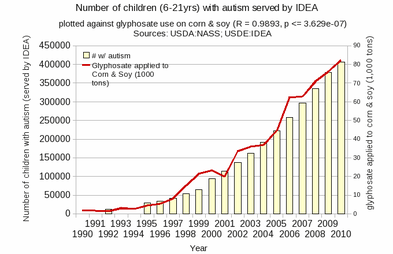
Here’s a breakdown of the evidence regarding autism prevalence and family structure:
1. Higher autism prevalence in single-mother households
- Rates of autism were higher among low-income families.
- The prevalence of ASD was 47% higher for children with single mothers compared to children in two-parent, married households.
- Additionally, estimates of family structures for children with ASD revealed lower odds of living in a two-parent household and higher odds of living with a single mother compared to children without ASD.
- Around 25% of children with autism live in single-parent households.
- Children with ASD had higher odds of government benefit usage and higher odds of household income under $50,000 in single-parent households compared to two-parent households with children without an ASD diagnosis.
2. Challenges faced by single mothers raising children with autism
- Many single parents must navigate the complexities of their child’s care and development on their own, often without the support or respite that two-parent households might provide.
- Childcare is a major hurdle for single parents of children with autism, especially for those whose children are non-verbal.
- Single caregivers of adolescent and adult children on the autism spectrum perceive less social support than partnered caregivers.
3. Maternal age and autism risk
- Older parents, both mothers and fathers, are more likely to have a child who develops an autism spectrum disorder.
- UC Davis notes that a 40-year-old woman’s risk of having a child later diagnosed with autism was 50 percent greater than that of a woman from 25 to 29 years old.
- The rise in ASD risk with parental age was greater for older mothers compared to older fathers.
- Younger maternal age (<20 years) was also associated with increased risk for ASD.
- Both advancing maternal age and younger maternal age are associated with an increased risk for ASD.
What is the “refrigerator mother” theory? is it the same as the “devouring mother”?
The term “refrigerator mother” refers to a discredited and harmful theory from the mid-20th century that suggested
cold, uncaring, and emotionally distant mothers were the cause of autism in their children. This theory, popularized by figures like psychiatrist Leo Kanner and psychologist Bruno Bettelheim, likened these mothers to refrigerators due to their perceived lack of warmth and inability to bond with their children.
The “refrigerator mother” theory is not the same as the “devouring mother” archetype, though they both relate to negative aspects of maternal relationships:
- The “refrigerator mother” theory specifically blamed mothers for causing their children’s autism due to perceived emotional coldness. This theory has been thoroughly debunked by scientific evidence which shows autism is a complex neurodevelopmental condition with genetic and environmental factors playing a role.
- The “devouring mother” archetype is a concept from psychology and mythology that describes an overbearing parental figure who stifles a child’s independence and development through excessive control, manipulation, or fostering unhealthy dependency. While this can involve a parent being emotionally distant, it’s not synonymous with the “refrigerator mother” theory and does not claim to be the cause of autism.
In summary, the “refrigerator mother” theory is an outdated and harmful concept that mistakenly attributed the cause of autism to mothers’ emotional behavior. The “devouring mother” archetype, on the other hand, describes a pattern of overbearing parenting that hinders a child’s growth and is not a theory about the cause of autism.
Who were psychiatrist Leo Kanner and psychologist Bruno Bettelheim? What evidence did they have for the devouring mother theory?
Kanner and Bettelheim: figures in autism history
Leo Kanner and Bruno Bettelheim were influential figures in the early study of autism, but their theories about its cause, particularly the “refrigerator mother” theory, were later debunked and widely criticized for their harmful impact on families with autistic children.
Leo kanner
Kanner was an Austrian-American psychiatrist credited with providing one of the first detailed clinical descriptions of autism as a distinct syndrome in his 1943 paper, “Autistic Disturbances of Affective Contact.” While his work was groundbreaking, he also made observations about the parents of the children he studied, describing them as cold, distant, and uninterested in their children. Kanner suggested that this lack of maternal warmth and emotional attachment might be linked to the development of autism.
Bruno bettelheim
Bettelheim was an Austrian-born American psychologist and professor at the University of Chicago according to Els for Autism. He was an influential proponent of the “refrigerator mother” theory, suggesting that autism was caused by emotionally distant mothers and comparing the experiences of autistic children to prisoners in Nazi concentration camps. His work and ideas were popularized through his books, like “The Empty Fortress,” and appearances in the media, contributing significantly to the widespread acceptance of the “refrigerator mother” theory during the mid-20th century.
“Evidence” for the refrigerator mother theory
The so-called “evidence” for the “refrigerator mother” theory put forth by Kanner and Bettelheim was based on:
- Clinical Observations: Kanner, in his early work, observed parents who, he thought, displayed emotional distance, leading him to hypothesize about a potential link to autism.
- Psychoanalytic Theories: Bettelheim’s theories were influenced by psychoanalytic concepts which focused on emotional disturbance and early childhood experiences as a potential cause for psychological disorders.
- Questionable Case Studies: Bettelheim’s claims were based on questionable case studies at the residential treatment facility he directed, where he implemented practices, such as isolating children from their parents for extended periods, that are now seen as unethical and harmful.
Bettelheim’s practices at the Orthogenic School, particularly his use of isolation and the enforced separation of children from their parents.
Bettelheim’s practices at the Orthogenic School, were of a fathers love for his children, by giving space between the parents and the children the children were allowed to solve problems and learn from their parents/”devouring mother”.
While he claimed to be creating a controlled environment for healing, critics argue that these methods, including isolation and physical punishment, were detrimental to the children’s well-being. The belief that separating children from their parents would lead to positive outcomes was rooted in the “refrigerator mother” theory, which suggested that cold and emotionally distant mothers were the cause of autism.
Note: about at the same time we had a sexually revolution and the practice in social medicine went from the Father to the Mother.
This theory, however, has been widely discredited by scientific research. Which goes against the father being a good parent and that the devouring mother theory is bunk. The attitude of the western world and America went from the Father to the Mother at the same time. Once more we are dealing with changing times, changing thoughts, creating acceptable practice and justifications to protect this new find thinking that its not the mother fault by over protecting. So the science had to agree with debunking the devouring mother theory, But God says differently in the Bible, Children today are more screwed up coming from single mother home, fathers are mostly out of the picture, Bible talks about that they will be a curse in the land. Every nation that turns from God and his will or way is cursed. is autism one of the many curses that the bible talks about?
What Bible Curses Are Mentioned In Bible Similar To Autism?
The Bible does not mention autism by name,
according to Cross River Therapy or Autism 360. However, some individuals, including some scholars, interpret certain behaviors described in biblical passages as potentially reflecting traits associated with what is now recognized as Autism Spectrum Disorder (ASD).
These interpretations are not definitive, but they offer a way to consider how autism might be understood in biblical times.
Interpreted Biblical narratives potentially related to autism
- Some interpret the boy described in Matthew 17:15, who falls into fire or water, as potentially showing sensory sensitivities and self-harming behaviors seen in some individuals with autism.
- Paul’s “thorn in his flesh” in 2 Corinthians 12:7-10 has been speculated by some to relate to autism-like challenges such as sensory sensitivities and communication difficulties.
- Some interpretations suggest that figures like Goliath and Samson may have displayed traits that could be interpreted as aligning with some characteristics of autism.
Important considerations
- It’s important to remember that these are interpretations and not explicit biblical statements about autism.
- Understanding autism has changed over time, and applying modern diagnoses to historical texts is complex.
- Cross River Therapy notes the Bible provides general guidance for those with special needs, emphasizing the value of all individuals as created in God’s image.
While the Bible doesn’t name autism, some descriptions have led to explorations of potential connections with autism traits, promoting a compassionate approach to understanding and valuing individuals with autism.
Lack of scientific evidence and harm caused
It’s crucial to understand that:
- There is no scientific evidence to support the “refrigerator mother” theory or any idea that mothers or parenting styles cause autism. Modern research has firmly established that autism is a complex neurodevelopmental condition with a genetic basis and the influence of environmental factors.
- The “refrigerator mother” theory caused immense pain, guilt, and shame for countless mothers who were wrongly blamed for their children’s autism. It also hindered autism research and the development of effective interventions for many years.
Despite the lasting impact of this discredited theory, the understanding of autism has evolved significantly, recognizing its neurobiological basis and focusing on supporting individuals with autism and their families with empathy and evidence-based interventions.
How does the “devouring mother” theory relate to autism? When did the science change?
The concept of the “devouring mother” or “refrigerator mother” is a disproven theory that emerged in the mid-20th century to explain the causes of autism. This theory falsely suggested that mothers who were emotionally distant or unloving were responsible for their children’s autism. This idea gained prominence through the work of individuals like psychiatrist Leo Kanner and psychologist Bruno Bettelheim.
What Bible Curses Are Mentioned In Bible Similar To Autism?
The Bible does not directly mention autism or any curses similar to it
. Conditions now understood as Autism Spectrum Disorder (ASD) were not recognized or described as they are today.
Biblical scholars and commentators have explored potential interpretations of certain passages and behaviors through the lens of modern understanding of ASD. These interpretations are speculative and not universally accepted.
Examples of biblical discussions sometimes referenced in discussions about autism and biblical curses include:
- Deuteronomy 28 and curses for disobedience: This chapter details curses for disobedience to God’s commandments, including various illnesses and afflictions. Some connect disabilities mentioned in these passages to autism.
- Potential instances of ASD traits in biblical figures: Some suggest that certain behaviors described in the Bible, such as those of the boy in Matthew Chapter 17, might align with some characteristics of autism.
- Disabilities and their representation: Disability is mentioned numerous times in the Bible. Some interpretations view disability as a punishment for transgression or ignorance, particularly in the Old Testament.
Another perspective emphasizes:
- God’s creation and purpose: Many believe that autism is part of God’s design and purpose for individuals and their families. This perspective emphasizes God’s grace and acceptance for all people.
- Support and encouragement in scripture: Several biblical passages offer comfort and guidance to parents of children with autism, highlighting God’s love and strength during difficult times. For example, Psalm 139:14 says: “I praise you because I am fearfully and wonderfully made; your works are wonderful, I know that full well”.
In summary, while the Bible does not explicitly mention autism or describe curses resembling it, discussions exist within biblical scholarship regarding potential interpretations and the intersection of faith and autism.
When Did The Science Change?
However, this theory has been thoroughly debunked by scientific research. The shift in scientific understanding occurred primarily from the 1970s onwards, as research began to reveal the biological and neurological basis of autism. The Diagnostic and Statistical Manual of Mental Disorders (DSM-III), published in 1980, recognized autism as a distinct pervasive developmental disorder.
Scientific studies and evidence
- Twin Studies: Research in the late 1970s, including twin studies, began suggesting a genetic component to autism, moving away from purely environmental explanations.
- Neurological Research: Studies using neuroimaging techniques like PET scans have revealed differences in brain structure and connectivity in individuals with autism. For instance, a 2024 study using PET scans found that autistic individuals had 17% lower synaptic density compared to neurotypical individuals. This Yale School of Medicine article reports the findings of a study on this topic.
- Genetic Factors: Research consistently demonstrates that genetics play a significant role in autism, with studies identifying numerous genes linked to the condition.
- Evolution of Understanding: Cold Spring Harbor Laboratory highlights decades of autism research, including studies on genetic mutations and gene-environment interactions, that have broadened the understanding of the disorder beyond simplistic explanations like the “refrigerator mother” theory.
The shift in scientific understanding has moved away from blaming parents and towards recognizing autism as a complex neurodevelopmental condition with a variety of genetic, neurological, and environmental factors at play.
When we seek or found a soulmate we are looking for the disfunction of our parents
Looking for love we why love triggers the trauma wounds
Am I a “Devouring Mother”? A Self-Reflection Quiz
This quiz is designed for self-reflection and is not a diagnostic tool. The concept of a “devouring mother” refers to an archetype characterized by excessive control, emotional manipulation, and a stifling of a child’s autonomy. Keep in mind that parenting is complex, and many factors influence parent-child dynamics.
Answer honestly based on typical behavior and feelings regarding a child’s independence and the relationship with them.
Questions
- When a child expresses a desire to try something new, independent of the parent, how does the parent typically react?
- a) The parent is thrilled and encourages them wholeheartedly, offering support if needed.
- b) The parent feels a pang of worry and tries to subtly steer them toward a “safer” or more familiar option.
- c) The parent discourages them and emphasizes the potential risks or difficulties.
- d) The parent expresses outright disapproval and tells them why they shouldn’t pursue it.
- How does the parent feel about their child’s friendships and romantic relationships (if applicable)?
- a) The parent trusts the child’s judgment and is happy for them to form their own connections.
- b) The parent has some concerns about certain friends and subtly tries to influence who they spend time with.
- c) The parent openly disapproves of some of their friends and actively tries to interfere in their relationships.
- d) The parent feels jealous or threatened by their close relationships with others.
- How involved is the parent in their child’s daily life, especially as they get older?
- a) The parent respects their growing need for privacy and space, offering help when asked.
- b) The parent checks in frequently and offers advice, even if not explicitly requested.
- c) The parent feels the need to know everything that’s happening in their life.
- d) The parent micromanages their schedule, activities, and even their choices.
- When a child makes a decision the parent doesn’t agree with, how does the parent respond?
- a) The parent expresses their opinion respectfully but ultimately supports their autonomy to make their own choices.
- b) The parent tries to convince them to change their mind, highlighting the potential negative consequences.
- c) The parent feels frustrated and disappointed, and lets them know it.
- d) The parent becomes angry or withdrawn, and makes them feel guilty for their decision.
- How does the parent feel about their child leaving home or becoming fully independent?
- a) The parent is excited for their future and the next stage of their life, even if they’ll miss them.
- b) The parent feels a mix of excitement and sadness, with some lingering worry about their ability to cope.
- c) The parent feels a sense of loss and worry about how they will fill the void.
- d) The parent actively discourages their independence or makes them feel guilty for wanting to leave.
- Does the parent find themselves comparing their child’s achievements or choices to their own unfulfilled desires?
- a) Rarely, the parent focuses on their individual strengths and goals.
- b) Sometimes, the parent catches themselves making comparisons, but they try to focus on their happiness.
- c) Often, the parent wishes they would pursue the same path or achieve the things the parent couldn’t.
- d) Constantly, their life feels like a continuation of the parent’s own unlived life.
Scoring
- Mostly A’s: A healthy parent-child relationship that fosters independence and autonomy is likely present. Encouragement of growth and respect for the child’s individuality seem to be present.
- Mostly B’s: Some anxieties or tendencies towards over-involvement may be present. Self-awareness is key; consider how actions might impact the child’s sense of independence.
- Mostly C’s: Some characteristics associated with controlling or overly-involved parenting are exhibited. It may be beneficial to reflect on motivations and consider giving the child more space to grow.
- Mostly D’s: Answers suggest a significant tendency towards traits associated with the “devouring mother” archetype. It might be helpful to explore resources or seek professional guidance to understand these dynamics and work towards a healthier, more balanced relationship with the child.
Important Note
This quiz is purely for self-reflection. If consistent answers are B, C, or D, it’s an opportunity to examine the relationship with the child and consider if actions are fostering their independence and well-being. Open communication and seeking support from a therapist or counselor can be beneficial for both parents and children navigating complex family dynamics.
Where To Seek Help If You Are A Devouring Mother To Your Children?
Professional support
- Individual Therapy: A licensed therapist can help you understand the root causes of your behaviors, address any underlying anxieties or fears that contribute to over-involvement, and develop healthier coping mechanisms. They can guide you in establishing and maintaining healthy boundaries with your children. Many therapists specialize in family dynamics, boundary setting, self-esteem, or autonomy issues, and you can find them using online therapist directories. BetterHelp offers online therapy and can connect you with counselors and licensed therapists who specialize in your areas of need.
- Family Therapy: This can be a valuable option, especially if your children are also willing to participate. Family therapy provides a safe and neutral space for family members to express themselves, improve communication, and strengthen emotional bonds. A therapist can help identify communication patterns causing problems and guide the family toward healthier interactions, teaching active listening, assertive communication, conflict resolution, and boundary setting skills. It can help create a more supportive and loving home environment and improve the ability to handle disagreements constructively. Compass Health Systems suggests that family therapy can lead to better communication, mutual respect, a more peaceful home environment, increased emotional intelligence, stronger problem-solving skills, and higher self-esteem and emotional security in children.
- Child-Parent Psychotherapy: If you are in Ohio, you can find therapists specializing in Child-Parent Psychotherapy through resources like Zencare.
Support groups and resources
- Parent Support Groups: Connecting with other parents who are also working through similar challenges can provide valuable support, insights, and a sense of not being alone. parentshelpingparents.org offers virtual and community support groups.
- Parent Stress Line: If you’re feeling overwhelmed, isolated, or need someone to talk to about parenting issues, you can call the 24/7 Parent Stress Line at 1-800-632-8188. It’s free, anonymous, confidential, and specifically for parenting issues.
- NAMI Family Support Group: For family members of people with mental health conditions, these support groups can help address challenges and improve communication.
- Books and Articles: Reading about healthy parenting, boundary setting, and fostering independence can provide valuable knowledge and tools. Resources like Stanford Children’s Health can provide parenting tips and insights into the stages of child development and the importance of letting go. You can also find books like “Setting Boundaries® with Your Adult Children” by Allison Bottke, which offers a six-step program for parents of adult children who are struggling to become independently functioning adults. You may also find books on setting boundaries with difficult people to be helpful.
Self-reflection and personal strategies
- Recognize the Behavior: Acknowledge your behavior and how it affects your children.
- Set and Enforce Boundaries: Establish clear and healthy boundaries, even if it’s challenging at first.
- Limit Emotional Reactions: Try to manage your own emotional reactions, especially when facing resistance or pushback from your children.
- Build a Support System: Connect with friends, family, or mentors outside of your immediate family who can offer support and different perspectives.
- Engage in Self-Care: Prioritize your well-being through activities like exercise, mindfulness, or hobbies.
- Cultivate Your Own Interests: Pursue your own hobbies, interests, and friendships separate from your children’s lives.
- Talk to Your Children Openly: Express your feelings and encourage them to do the same, fostering open and honest communication.
- Embrace Change: Accept that your relationship with your children will naturally evolve as they grow and mature.
- Share Wisdom, But Let Them Make Their Own Decisions: Offer guidance and advice, but empower your children to make their own choices.
Remember, seeking help is a sign of strength and self-awareness. It demonstrates a commitment to improving your relationships and fostering a healthier environment for yourself and your children.
What Does The KJV Bible Say About Devouring Mothers And How To Repent?
While the King James Version (KJV) of the Bible doesn’t use the specific term “devouring mother”, it does address parental behavior, including aspects that can be construed as unhealthy or detrimental to a child’s well-being. The KJV emphasizes the importance of nurturing and instructing children in the Lord, while cautioning against actions that might embitter or discourage them.
For example, The KJV Ephesians 6:4 instructs, “Fathers, provoke not your children to wrath: but bring them up in the nurture and admonition of the Lord”. This suggests that overly harsh or controlling parenting that causes anger or resentment in children goes against biblical principles.
Similarly, The KJV Colossians 3:21 states, “Fathers, provoke not your children to anger, lest they be discouraged”. This reinforces the idea that parents should avoid behavior that disheartens or frustrates their children, potentially undermining their confidence and spiritual growth.
The Bible also emphasizes the importance of wise and balanced parenting, where discipline is administered with love and a focus on the child’s development, rather than excessive control or manipulation. According to GotQuestions.org, overbearing parents may be driven by fear of consequences and overly restrict their children’s ability to learn from their own mistakes.
Repentance
Repentance, according to the Bible, is a turning away from sin and toward God, often involving a change in thought and behavior. Here are 5 steps to repenting, drawn from biblical principles:
- Recognition of Sin: Acknowledge that the controlling or overbearing behavior is wrong and harmful, according to Buffalo Wy. Church Of Christ. This involves honest self-reflection and a willingness to see your actions through a biblical lens.
- Remorse for Sin: Feel sorrow for the harm caused by your actions and a desire to change, says Buffalo Wy. Church Of Christ.
- Confession: Confess your sins to God, and if appropriate, to those you have wronged (your children), seeking their forgiveness.
- Commitment to Change (Reformation): Determine to actively change your behavior, and seek to nurture and encourage your children in the Lord, according to Buffalo Wy. Church Of Christ. This means intentionally shifting from controlling patterns to empowering and supportive parenting.
- Seeking Forgiveness and Making Restitution: Humbly ask for forgiveness from God and your children. Where possible, seek to make amends or repair any damage caused by your actions.
Seeking further guidance
It’s important to remember that repentance is an ongoing process of growth and learning. If you find yourself struggling with unhealthy parenting patterns, seeking guidance from a pastor, counselor, or trusted mentor can provide invaluable support and help in your journey of repentance and establishing healthy family dynamics. Bible Hub suggests that parents can also find support in prayer and by recognizing God’s sovereignty over their children’s lives.
How Can KJV Bible Help Devouring Mothers Set Healthy Boundaries With Their Children?
As a mother who may be struggling with tendencies towards being overly controlling, the KJV Bible offers timeless wisdom and practical principles for fostering a healthy relationship with your children, built on love, respect, and the encouragement of their independence. Here’s a 5-step plan based on biblical principles to help you set healthy boundaries:
1. Ground Yourself in God’s Love and Trust
- Biblical Principle: Children are a gift and a blessing from the Lord. God’s love is infinite. People are called to love their children, not to provoke or discourage them. Colossians 3:21 (KJV) states, “Fathers, provoke not your children to anger, lest they be discouraged.”
- Actionable Step: Cultivate deeper trust in God’s care for children. Spend time in prayer, asking God for wisdom and guidance. Meditate on scriptures about God’s love and sovereignty. This foundation of faith can help release the fear and anxiety that often drive over-controlling behaviors. According to www1.cbn.com, God does not want people to be overprotective parents; instead, He wants people to raise children in a godly way so they know how to navigate life when they grow older.
2. Recognize and Respect Their Individuality and Autonomy
- Biblical Principle: Each child is uniquely created in the image of God. Psalm 139:14 (KJV) reminds us, “I will praise thee; for I am fearfully and wonderfully made: marvellous are thy works; and that my soul knoweth right well.” Children are meant to mature and develop their own paths, as indicated in 1 Corinthians 13:11 (KJV), “When I was a child, I spake as a child, I understood as a child, I thought as a child: but when I became a man, I put away childish things.”
- Actionable Step: Allow children age-appropriate freedom to make their own choices and experience the consequences (both positive and negative). Crosswalk.com suggests allowing them to make decisions, even small ones like choosing their outfits or extracurricular activities. Resist the urge to constantly correct or intervene, but rather offer guidance and support when asked. This fosters their problem-solving skills and builds their confidence.
3. Communicate Boundaries with Love and Clarity
- Biblical Principle: The Bible emphasizes the importance of gracious speech and communication, as found in Colossians 4:6 (KJV): “Let your speech be alway with grace, seasoned with salt, that ye may know how ye ought to answer every man.”
- Actionable Step: Clearly communicate expectations and boundaries to children. Explain why these boundaries are important for their well-being and for the health of family relationships. Listen to their perspectives and concerns, creating an environment of open dialogue. Remember that boundaries are for protection and growth, not for control. According to Christianity.com, honesty and open communication are vital.
4. Model Christ-like Behavior and Self-Control
- Biblical Principle: Parents are called to be examples for their children, living out the values of faith, love, and self-control. Titus 2:7 (KJV) says, “In all things shewing thyself a pattern of good works: in doctrine shewing uncorruptness, gravity, sincerity.” Galatians 5:22-23 (KJV) reminds us of the fruit of the Spirit: “But the fruit of the Spirit is love, joy, peace, longsuffering, gentleness, goodness, faith, Meekness, temperance: against such there is no law.”
- Actionable Step: Reflect on behaviors and attitudes, striving to exhibit patience, humility, and respect in interactions with children. Crosswalk.com suggests that modeling personal responsibility is just as important as teaching it. Show them how to navigate challenges and conflicts in a godly way, seeking forgiveness when mistakes are made, and demonstrating the importance of forgiveness and reconciliation.
5. Release and Entrust Them to God
- Biblical Principle: While parents are responsible for raising their children in the Lord, ultimately, children belong to God. Deuteronomy 4:9 (KJV) says, “Only take heed to thyself, and keep thy soul diligently, lest thou forget the things which thine eyes have seen, and lest they depart from thy heart all the days of thy life: but teach them thy sons, and thy sons’ sons.” As they grow, people must release them into God’s sovereign care.
- Actionable Step: Pray regularly for children, acknowledging God’s plan for their lives and trusting His guidance. FaithGateway suggests that a blessing is not an endorsement, but a way to hand over children’s future to God, trusting Him to guide them towards the abundant life He desires for them. Let go of the need to control every aspect of their lives, and instead focus on strengthening their faith and equipping them to walk with God independently.
Remember, setting healthy boundaries is a journey, not a destination. It requires patience, grace, and a deep reliance on God’s wisdom and strength. By following these biblical principles, relationships with children can be transformed, fostering a bond built on love, respect, and the freedom to grow into the people God created them to be.
By Having A 30 Day Plan With Bible Study To Stay Focused On The Narrow Path Lord Jesus Talked About
A 30-day KJV Bible study plan for mothers focusing on healthy relationships with their children, while remaining focused on the “narrow path” Jesus spoke of, can be a great way to grow in faith and parenting skills. This plan emphasizes love, wisdom, and the importance of respecting children as individuals. Remember to approach this with an open heart and a willingness to allow God to transform your perspective. According to Kaylene Yoder, daily Bible study doesn’t have to be complicated to speak to people intimately.
30-day KJV bible study plan: a mother’s path to healthy family relationships
Theme: Nurturing in the Lord: Cultivating Love, Wisdom, and Respect in Motherhood
Goal: To deepen your understanding of God’s design for mothers and children, encouraging a Christ-centered approach to parenting and developing healthier boundaries.
Daily practice
- Read the assigned KJV scripture.
- Pray for understanding, wisdom, and God’s guidance in applying the verses to your life.
- Journal your reflections: What did this verse say to you? How does it apply to your relationship with your child/children? What changes do you feel prompted to make?
- Take a practical step related to the day’s scripture: For example, if the verse talks about patience, consciously practice patience with your child that day.
Week 1: Embracing God’s design for children and motherhood
- Day 1: Children are a blessing and heritage.
- Psalm 127:3, “Lo, children are an heritage of the Lord: and the fruit of the womb is his reward.”
- Reflection: Consider the preciousness of your children. premierglorywear.com notes that children are a gift, not a burden, and this verse reminds us of that.
- Day 2: The importance of teaching and instruction.
- Deuteronomy 6:6-7, “And these words, which I command thee this day, shall be in thine heart: And thou shalt teach them diligently unto thy children, and shalt talk of them when thou sittest in thine house, and when thou walkest by the way, and when thou liest down, and when thou risest up.”
- Reflection: Reflect on how you’re actively teaching your children about God’s ways. According to tpcfamily.org, this verse emphasizes the importance of impressing God’s commandments upon children.
- Day 3: Love as the foundation.
- 1 Corinthians 13:4-7, “Charity suffereth long, and is kind; charity envieth not; charity vaunteth not itself, is not puffed up, Doth not behave itself unseemly, seeketh not her own, is not easily provoked, thinketh no evil; Rejoiceth not in iniquity, but rejoiceth in the truth; Beareth all things, believeth all things, hopeth all things, endureth all things.”
- Reflection: How does this definition of love challenge or affirm actions towards your children?
- Day 4: Avoiding provocation and discouragement.
- Ephesians 6:4, “And, ye fathers, provoke not your children to wrath: but bring them up in the nurture and admonition of the Lord.”
- Reflection: Are words and actions building up or tearing down? Ministry To Children highlights that this verse cautions against exasperating children.
- Day 5: Training up a child in the way he should go.
- Proverbs 22:6, “Train up a child in the way he should go: and when he is old, he will not depart from it.”
- Reflection: Consider the individual “way” of each child. According to Ministry To Children, some scholars interpret this verse as tailoring education to a child’s unique bent.
- Day 6: Discipline with love.
- Proverbs 13:24, “He that spareth his rod hateth his son: but he that loveth him chasteneth him betimes.”
- Reflection: How can you administer discipline with love and guidance, rather than anger?
- Day 7: The importance of prayer for children.
- Luke 18:6, “And the Lord said, Hear what the unjust judge saith.” According to Stefanie Gass, this verse encourages praying for children to be drawn to Jesus and not be hindered from coming to Him.
- Reflection: Commit to regular prayer for your children’s spiritual and emotional health.
Week 2: Cultivating wisdom and respect
- Day 8: Honoring your parents.
- Exodus 20:12, “Honour thy father and thy mother: that thy days may be long upon the land which the Lord thy God giveth thee.”
- Reflection: This verse is addressed to children, but it reminds us to model respect for elders and authority.
- Day 9: Seeking wisdom from God.
- James 1:5, “If any of you lack wisdom, let him ask of God, that giveth to all men liberally, and upbraideth not; and it shall be given him.”
- Reflection: Ask God for specific wisdom in areas where you feel you might be over-controlling.
- Day 10: Humility and gentleness.
- Ephesians 4:2, “With all lowliness and meekness, with longsuffering, forbearing one another in love.”
- Reflection: How can you practice humility and gentleness in moments of conflict or disagreement with your children?
- Day 11: Being patient and longsuffering.
- Ephesians 4:2, “With all lowliness and meekness, with longsuffering, forbearing one another in love.”
- Reflection: Parenting often requires great patience. How can you lean on God for strength in challenging moments?
- Day 12: Unity and peace in the home.
- Psalm 133:1, “Behold, how good and how pleasant it is for brethren to dwell together in unity!”
- Reflection: Are words and actions contributing to peace or discord in your home?
- Day 13: Respecting their choices (within biblical boundaries).
- Quora references Proverbs 22:6 as a principle for letting children follow the way they should go, even when it’s challenging.
- Reflection: How can you release the need to control their decisions while still guiding them in righteousness? According to Quora, sometimes it is necessary to let adult children make their own choices.
- Day 14: The power of encouragement.
- 1 Thessalonians 5:11, “Wherefore comfort yourselves together, and edify one another, even as also ye do.”
- Reflection: Actively encourage your children, building up their self-esteem and confidence in Christ.
Week 3: Practicing grace and forgiveness
- Day 15: Showing kindness and tenderheartedness.
- Ephesians 4:32, “And be ye kind one to another, tenderhearted, forgiving one another, even as God for Christ’s sake hath forgiven you.”
- Reflection: How can you show greater kindness and compassion to your children, especially when they make mistakes?
- Day 16: The importance of forgiveness.
- Matthew 6:12, “And forgive us our debts, as we forgive our debtors.”
- Reflection: Forgiveness is vital in family relationships. As Quora notes, failure to forgive is not Christ-honoring.
- Day 17: Releasing past mistakes.
- Hebrews 8:12, “For I will be merciful to their unrighteousness, and their sins and their iniquities will I remember no more.”
- Reflection: Let go of past grievances or resentments that may be hindering the relationship with your children. According to The Joyful Life Magazine, release children from past mistakes.
- Day 18: Apologizing and seeking forgiveness.
- Ephesians 4:32, “And be ye kind one to another, tenderhearted, forgiving one another, even as God for Christ’s sake hath forgiven you.”
- Reflection: Be quick to apologize to your children when you’ve wronged them.
- Day 19: Trusting in God’s grace for shortcomings.
- Romans 8:1, “There is therefore now no condemnation to them which are in Christ Jesus, who walk not after the flesh, but after the Spirit.”
- Reflection: Rest in God’s grace for your imperfections as a mother.
- Day 20: Modeling a walk with Christ.
- Titus 2:7, “In all things shewing thyself a pattern of good works: in doctrine shewing uncorruptness, gravity, sincerity.”
- Reflection: Children learn by example. How are you modeling faith in your daily life?
- Day 21: The power of a mother’s faith.
- Galatians 5:6, “For in Jesus Christ neither circumcision availeth any thing, nor uncircumcision; but faith which worketh by love.”
- Reflection: Bob Sawvelle says a mother’s faith, fueled by love, can overcome fear and timidity.
Week 4: Deepening the bond and moving forward
- Day 22: Fostering open communication.
- Proverbs 20:11, “Even a child is known by his doings, whether his work be pure, and whether it be right.”
- Reflection: Listen attentively to your children’s hearts and concerns.
- Day 23: Praying over specific needs.
- Philippians 4:6, “Be careful for nothing; but in every thing by prayer and supplication with thanksgiving let your requests be made known unto God.”
- Reflection: Pray for specific needs and challenges facing your children.
- Day 24: Loving your children with a unique “mother love”.
- Titus 2:4, “That they may teach the young women to be sober, to love their husbands, to love their children.”
- Reflection: According to Facebook, the Greek word philoteknos describes this special motherly love.
- Day 25: Investing in their spiritual growth.
- 3 John 1:4, “I have no greater joy than to hear that my children walk in truth.”
- Reflection: How are you actively helping your children grow in their faith?
- Day 26: Building family unity.
- Colossians 3:13-14, “Forbearing one another, and forgiving one another, if any man have a quarrel against any: even as Christ forgave you, so also do ye. And above all these things put on charity, which is the bond of perfectness.”
- Reflection: Practice forgiveness and love within the family to strengthen bonds.
- Day 27: Comforting your children as God comforts you.
- Isaiah 66:13, “As one whom his mother comforteth, so will I comfort you; and ye shall be comforted in Jerusalem.”
- Reflection: Offer comfort and care to your children, reflecting God’s love.
- Day 28: Entrusting children to God’s care.
- 1 Samuel 1:21-28 describes Hannah entrusting Samuel to God.
- Reflection: Release the need to control their future, trusting God’s plan for their lives.
- Day 29: Continuing in the Lord’s path.
- Genesis 18:19, “For I know him, that he will command his children and his household after him, and they shall keep the way of the Lord, to do justice and judgment; that the Lord may bring upon Abraham that which he hath spoken of him.”
- Reflection: Remain committed to upholding the Lord’s values in your home.
- Day 30: Reflecting God’s grace and kindness.
- Romans 2:4, “Or despisest thou the riches of his goodness and forbearance and longsuffering; not knowing that the goodness of God leadeth thee to repentance?”
- Reflection: According to The Joyful Life Magazine, God’s kindness leads people to repentance. This should be the intended aim of parenting as well. According to The Joyful Life Magazine, reflecting God’s grace to children is more impactful than aiming for perfect parenting.
Prayer: Lord, I pray for mothers who desire to walk in your narrow path and raise their children in a way that honors You. Give them the strength, wisdom, and grace to love, nurture, and guide their children according to Your Word. Help them to release fear and control, trusting in Your perfect plan for each child’s life. In Jesus’ name, Amen.
As You seek understanding and clarity in your life you should always turn to your Heavenly Father for Guidance
Table of Contents
- Youtube Video (Todays Message)
- Are You Your Own Worst Enemy?
- Women are looking for a fathers love
- Spiritual Order – In The Family and Church
- How God Commands Us To Forgive Those Who We Have Resentment Toward
- Join Our Newsletter
- Top Seven Articles
- Our Mission Statement
- Our Vision
- Tithing And Giving!
When Tithing please give what you feel is good to the amount we are helping you in your spiritual life.

Here is a YouTube video to help theses who need to understand someone explaining the important message, the YouTube video is called ”What Is The Devouring Mother?″, This video is with Kenny Weiss YouTube Channel:
Note: MadeManMinistries.com has no relations with Kenny Weiss MadeManMinistries.com enjoys sharing the word.
Note: We do use YouTube Video’s under the “Fair Use” Act under the Copyright Law:
“Fair use is a doctrine in the United States copyright law codified in Section 107 of the Copyright Act of 1976.1 It provides for the legal, non-licensed citation or incorporation of copyrighted material in another author’s work without requiring permission from the rights holders, such as for commentary, criticism, news reporting, research, teaching or scholarship.01 The U.S. Copyright Office Fair Use Index should prove helpful in understanding what courts have to date considered to be fair or not fair but it is not a substitute for legal advice.2“


This is a major important point about forgiveness
Leave there thy gift before the altar, and go thy way; first be reconciled to thy brother, and then come and offer thy gift. -MATTHEW 5:24 KJV
Are You Your Own Worst Enemy?
I would start out by saying what Jesus Christ would want us to do? Pray and how should we pray? The Lord’s Prayer, and how often should we pray? Continually. Why do we use the Lord’s Prayer and not some other? The Lord’s Prayer covers all the areas that is important for our spiritual being.
When we pray the Lords prayer we ask to forgive our enemies, let God’s will be done, the kingdom to come. By praying the Lord’s prayer we let go of many thoughts we have in our head and give them back to God so we can have things revealed to us.
We must overcome resentment in our heart, and in a past video I shared about Dr. Jordan Peterson talks about how resentment can destroy us and we become our own very worst enemy and Jordan goes on to say that we must talk to people what we have resentment toward to overcome that resentment. Other people who lived in the past who talked about this is Jesus Christ and someone who is living now who talks about this daily is Brother Augustine, Dr. John MacArthur, Dr. Charles Stanley, Rev. John Piper and Pastor Paul Washer.
Women are looking for a fathers love
Women are looking for a fathers love. Its important that men understand women are looking for a fathers love and not get screwed. Woman more than anything are looking for a strong spiritual man to lead the future (the family). I think in many YouTube videos on biblical teachings, how young women are being hurt by men that are just looking to get laid instead of doing right and being in Christ and setting a good example of a strong man. We must be in Christ, hate no one, love all, forgave theses we resent, love what is right and support people who are walking with God.
Women need their fathers in their lives to be strong man to be good examples and not BETA men or weak examples of what a man should be. Its important that a man leads the way as Christ leads men, we as man need to fellow Jesus Christ to keep society from going to HELL.
Every day you can see or people watch how some men and women our living in hell without the right spiritual order then you will continue your hellish way according to 2 Peter. You can also find it in Romans. God will give you over to a reprobate mind.
And even as they did not like to retain God in their knowledge, God gave them over to a reprobate mind, to do those things which are not convenient. – Romans 1:28 (KJV)
In Romans 1, Paul refers to something known as a reprobate mind. If you’re not familiar with the term reprobate, the literal definition in the Greek is failing to pass the test, unapproved, counterfeit.

Spiritual Order – In The Family and Church
God the father
Jesus Christ
Father (Men over women)
Mother (Women over children)
Here is Book, Chapter and Verse from the Kings James Version 1 Corinthian 11:2-16, But the main message is in 1 Corinthian 11:3: “3 But I would have you know, that the head of every man is Christ; and the head of the woman is the man; and the head of Christ is God.”
A Woman Conferring The Spiritual Order According to Saint Paul And How The War On The Family Is Being Waged
How You Treat Others Is How You Will Be Judged On Judgement Day
How You Treat People Is Who You Are! On Judgement Day You Will Be Judged How You Treated The Less Fortunate (Open Letter)
New Social Contract To Save The West!
Should America And The Western World Have A New Social Contract? (Open Letter)
Father’s Rights
GARBAGE GENERATION

GARBAGE GENERATION By Daniel Amneus
$15.95 Price Check Ebay.com
Daniel Amneus – The Garbage Generation.pdf Link
Back to Patriarchy!

Back to Patriarchy! by Daniel Amneus
$29.95 Price Check Ebay.com


Check out our newest website CIPADS.com place ads for business, jobs, real estate or another site like craigslist
How God Commands Us To Forgive Those Who We Have Resentment Toward.
All of us are tested everyday by our personal internal struggle coming from resentment of what happened earlier in our lives as children typically what our mother did to us, telling how our fathers were not good enough or driving us away from our fathers when we were children. We most go to the people that we have resentment against and forgive them. By forgiving our mothers or whoever we have resentment against, God will forgive us and we can return to the heavenly Father through our Lord and Savior Jesus Christ.
It was said if you don’t love everyone then you love no one. People today live like the Old Testament people did. We must forgive and love everyone as God Commanded us to do according to Matthew 22:34-40.
After Reading The Passage I would Recommend Doing A Silent Prayer
Its is said: Be still, and know that I am God: I will be exalted among the heathen, I will be exalted in the earth. Psalm 46:10 King James Version (KJV)

Jesus is an example of a Fathers loves
Join Our Newsletter
Top Seven Articles
- The Problem With Older Women Liking/Dating Younger Men
- I Dream A Dream That All Men Would Have Love For One Another
- IF by Rudyard Kipling (A Life Changing Poem)
- HOW to be PERFECT… According to Jesus Matthew 5:43-48
- Let Women Come To You
- The Willful Submission of a Christian Wife (Ephesians 5:22-24)
- The Greatest Mistake Man Has Ever Made?
The List Children Of The Lie!!
The List Children Of The Lie!!
People of the Lie : The Hope for Healing Human Evil
Average Rating: (3.6) stars out of 5 stars
$17.93 Buy now price check at Walmart
Special Articles:
Who Was Jezabelle In The Bible?
Is Malachi An Indictment Against Mankind?
What does the Bible say about breaking generational curses?
Its Time To Repeal Women’s Rights To Contact Your Elected Official
Is It Time To Establish Israel/The New Jerusalem As Head Of The World
The Terrifying Truth About The Antichrist
Sexual Revolution, Perverted Revolution, Then Reprobates
Are The Black Hebrew Israelites The Synagogue of Satan Accusation in Revelation 2:9?
A Wife Should Be “A Mirror” To Her Husband?
Heretic Series/Beware Of The Wolf In Sheeps Clothing
Is The Mormon Church Heretics? Of Arianism Heresy
Is Rev. Robert W. Lee A Heretic?
Does Gino Jennings Know Hes a Heretic? Of The Arianism Heresy Part Two
Is Islam And All Muslims Heretics? Of Arianism Heresy
Is Gino Jennings A Heretic? Of Arianism Heresy
Is Jesse Lee Peterson A Heretic? Of Arianism Heresy
Who Are the 5 percenter or 5%? Are They Heretics
Who Is Billy Carson? Why Does Billy Teach A Different Gospel Of Our Lord Jesus Christ?
In a world where it is so easy to forget the importance of God, we must remember that He is holy and will not share His glory. America has forgotten this truth and it is time for us to re-examine our relationship with God and recognize that He is the one true God who deserves our full devotion and reverence. We must remember that He will not be taken lightly or ignored, but rather should be honored as the Creator of all things. Only then can we truly experience His love and grace in our lives.
America Has Forgotten! That God The Father Is Holy And He Will Not Share His Glory!
God Reveals Himself
Click the link about a PDF how God reveals himself to you: God Reveals and Satan Speaks to you!
Our Mission Statement
Uniting men of good character who, though of different ethnic or social backgrounds, share a belief in the fatherhood of God and the brotherhood of mankind. Bring Men back to the Father and sharing the biblical view of the Heavenly Father.
Our Vision
By returning to our heavenly father God thru the Lord and Savior Jesus Christ we can rebuilt the family, once the man is recognized as the head of the family and household. Partner with us as we develop a community, mission, and leadership support for the men of today.
Now is the time for a new movement of men. As brothers, fathers let’s become who we’re created to be, knowing our identity, purpose, and destiny in Christ. Then let’s do, linking arms to change the world for good … and for God. Help bring transformation and revival to our families, churches, and communities.
Tithing And Giving!
When Tithing please give what you feel is good to the amount we are helping you in your spiritual life. We are a for profit Ministry meaning we take all profits or donations and give it back to the community we service. Please visit our sponsors down below or along the side of the website, Thanks.
Please mail your check to:
Make Check Payable to:
Scott Richards
9808-12 Baymeadows Rd 174
Jacksonville, Florida 32256

Save Up To 60% Off Hotels, Flights, Cruises, Rental Cars
Conclusion
Hope this post was helpful to you and that you have a very successful Daily Bible Study with your friends and family! Check out the other sections of my blog for more tips on MadeManMinistries.
Please visit our Sponsors: